Black Rail Vocalization Activity and Occupancy
Black Rail occupancy in the Big Cypress National Preserve
Eastern Black Rails (Laterallus jamaicensis jamaicensis) are federally threatened, rare and secretive wetland birds, and the smallest member of their family in North America. The prairies and marshes of the greater Everglades, especially in Big Cypress National Preserve, are extensive, and contain habitats suitable for Eastern Black Rails. However, the present population has been understudied, with little known of the population size, vocalization activity, or distribution.
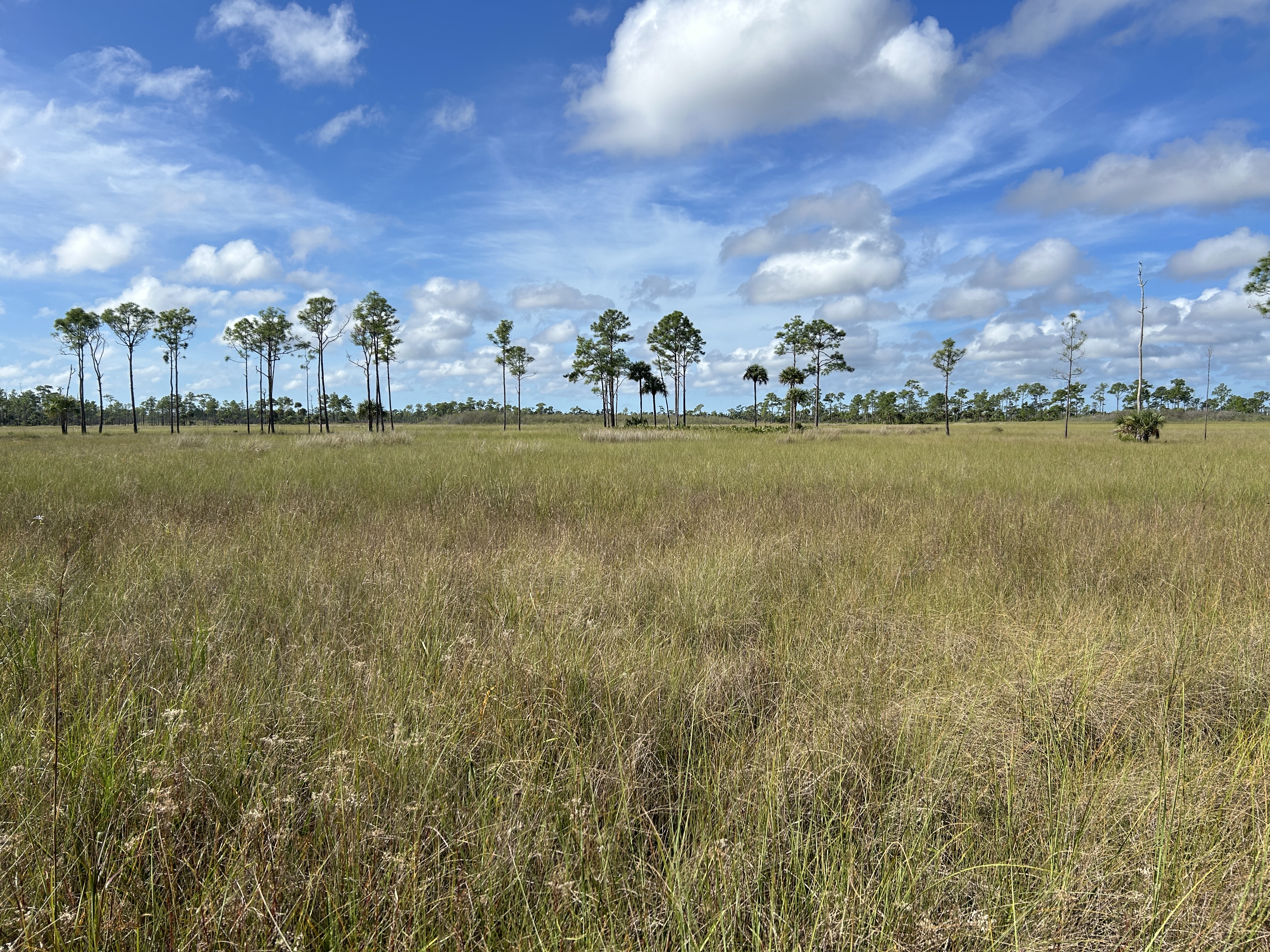

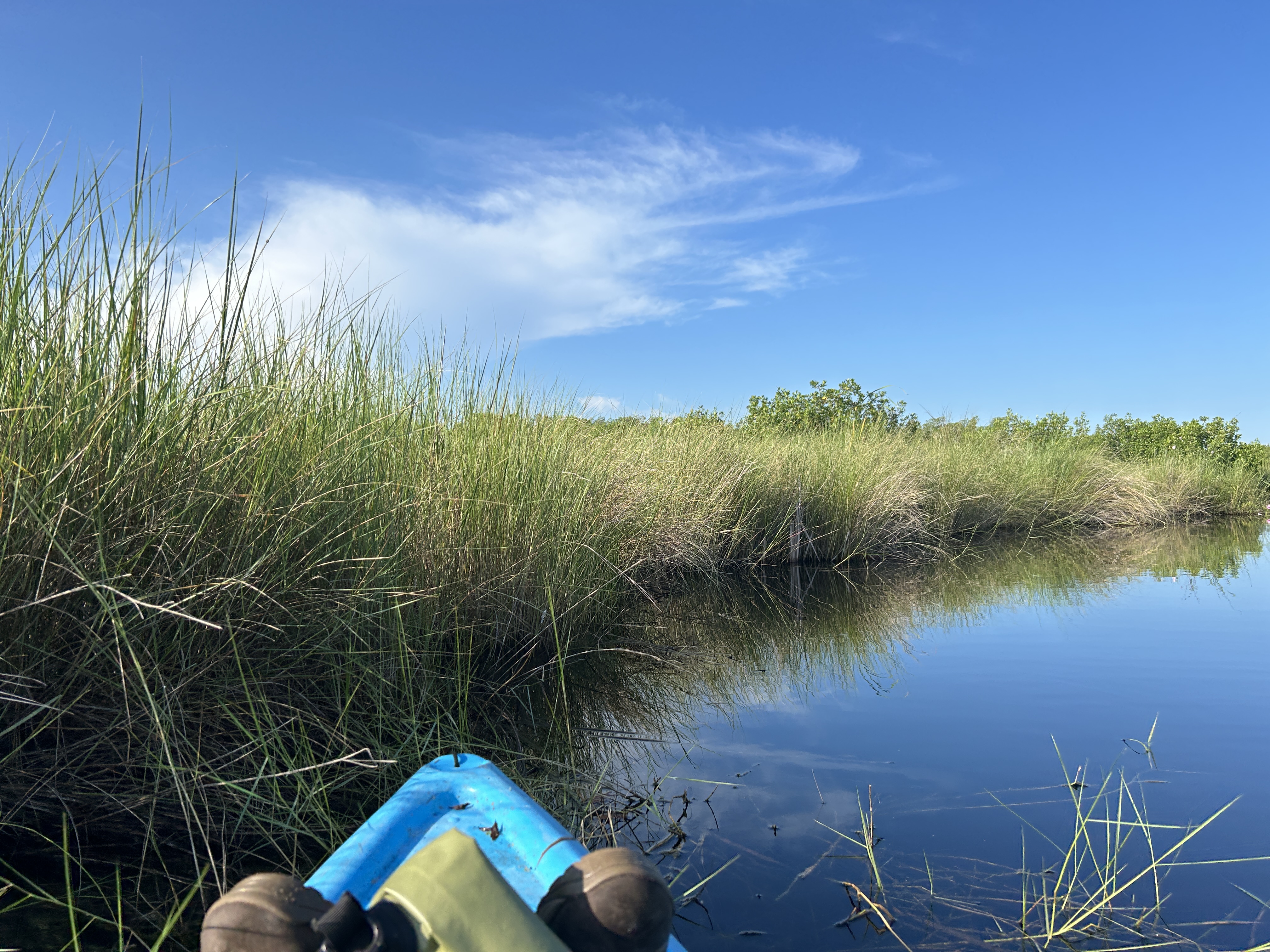
Master’s student, Travis Mangione, is investigating the diel timing of vocalizations of Eastern Black Rails using autonomous recording units to better survey, increase detection likelihood, and inform distribution models. He is modeling the occupancy within habitat types to inform the resource and fire management of the Big Cypress National Preserve, for the conservation of Eastern Black Rails in this region.
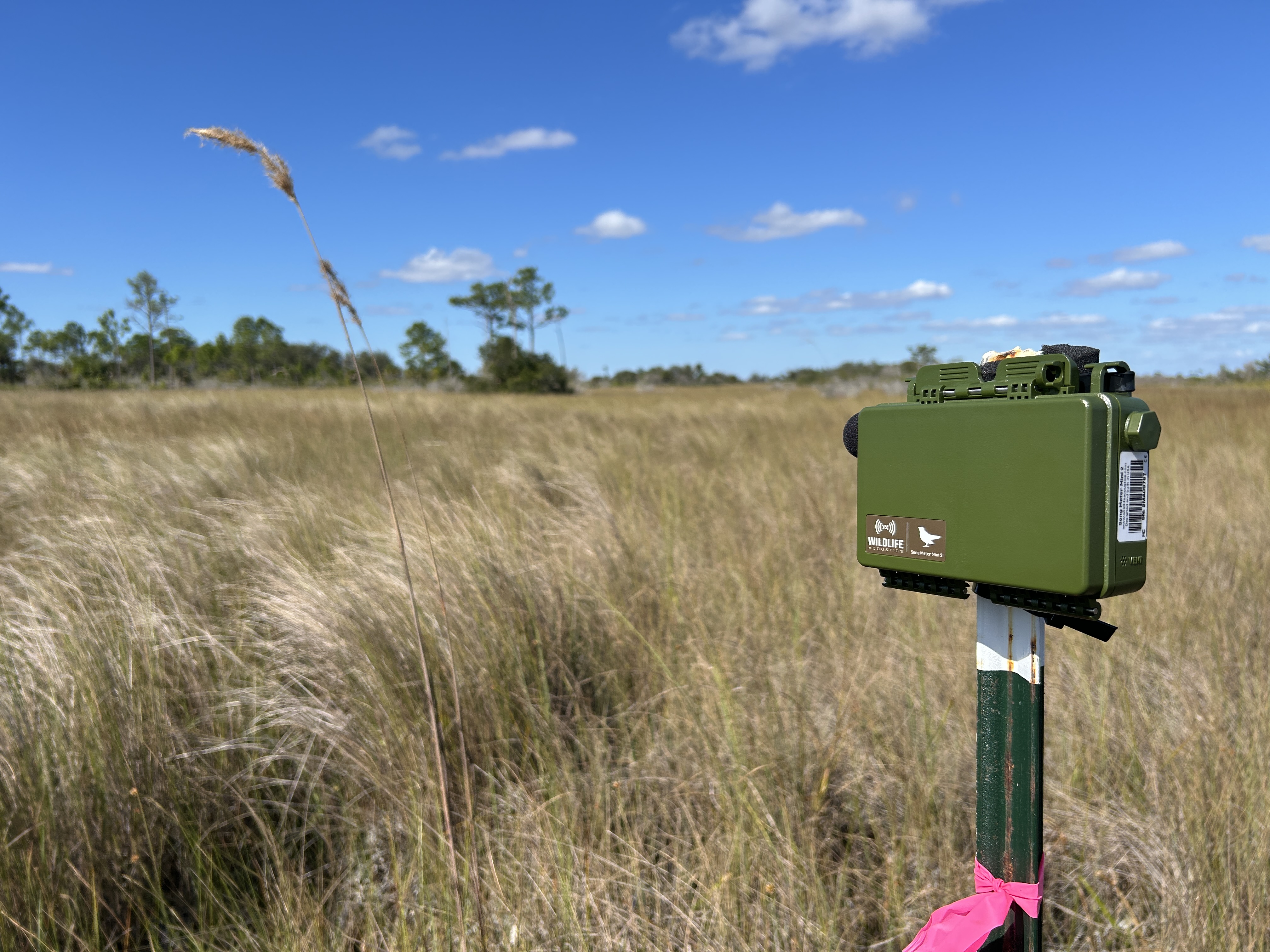

Black Rails are extremely secretive, and are primarily detected by vocalizations. The recordings from the ARUs are analyzed with Machine Learning models to detect Black Rail vocalizations from the thousands of hours of ARU sound recordings. An example of a Black Rail sonogram is below.
